

Losing someone you love is hard enough. Then the mail arrives.
There’s a utility bill on the counter, a credit card statement you don’t recognize, and an automated email about a payment due Friday. And you realize, your spouse always handled this. You don’t know which accounts are in your name, where the passwords are, or what’s due and when.
Disclosure: This blog may contain affiliate links, which means we may earn a commission if you click a link and make a purchase (at no additional cost). We only recommend products and services we use and trust. We aim to provide valuable, trustworthy resources that enhance and simplify your life. You can read our full privacy policy here.
If you’re managing finances for the first time after losing a spouse, you’re in one of the hardest transitions a person can face. And you are not alone in feeling completely lost at the start.
You Don’t Have to Figure It All Out Right Now
Give yourself permission to go slowly.
Big decisions, such as selling the house, changing investments, and updating your estate plan, can wait. Bill paying can’t wait that long. But even that doesn’t have to happen all at once.
Research consistently shows that most older adults are unprepared for the financial shock of losing a spouse. A 2025 report from the National Council on Aging found that 80% of older households, roughly 34 million, do not have the resources to weather a major financial shock such as widowhood.
That’s not a personal failure. It’s a gap in how most of us plan, or don’t, for this moment. Start with what’s right in front of you today. That’s enough.
What Bills Need Attention First?
Some bills are time-sensitive. Others can wait a few weeks. Here’s how to sort them.
These are the ones to focus on first:
- Mortgage or rent payment
- Electric, gas, and water utilities
- Health insurance premiums
- Car payment, if applicable
- Anything already marked past due
These can wait a little longer:
- Streaming and subscription services
- Annual insurance renewals
- Any bill not due within the next 30 days
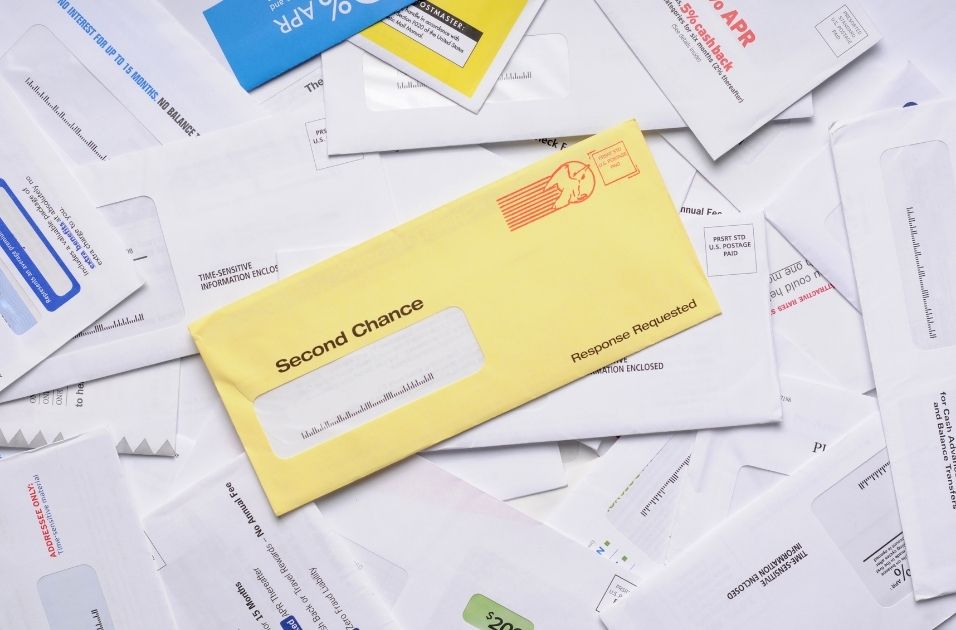
If you’re not sure what’s overdue, go through any mail that’s piled up. Look for anything marked “payment due,” “past due,” or “account notice.” Pull those out first and set everything else aside.
How Do I Find Out What Bills We Have?
This is the first question most people ask when managing finances after losing a spouse. It’s exactly the right place to start.
Pull the last two to three months of bank and credit card statements. Every recurring charge tells you something; utilities, insurance payments, subscriptions, and loan payments all show up as regular debits. Also, sort through all the mail, even unopened piles. Stacked mail often means missed bills, which is common after a loss. No judgment here.
It’s worth requesting a copy of your spouse’s credit report. This is a reliable way to find accounts you may not know about. Credit cards, loans, or lines of credit that haven’t arrived in the mail will appear here. You can request it in writing from any of the three major credit bureaus: Equifax, Experian, and TransUnion, along with a copy of the death certificate. The full picture it reveals can save you from being caught off guard by a creditor later.
As you go, write down a simple list:
- Who is the bill from?
- What’s the account number?
- How is it paid, automatically, by check, or online?
- What day of the month is it due?
A notebook works fine. A spreadsheet works too. The goal right now is to see what you’re dealing with.
🛑 Staying one step ahead of scammers starts with knowing their tactics. Take a few minutes to read about the most common financial scams and how to protect yourself. Financial Scams and How to Avoid Them

How Do I Actually Pay a Bill?
If your spouse handled the finances, you may not have logged in to a financial account in a long time, or ever. Here’s a plain-language breakdown.
Online Bill Pay: Most companies have a website where you can log in and pay directly. Look for a “Pay My Bill” or “Make a Payment” button. You’ll need the account number from the bill and either a checking or savings account to pull from, or a credit card to charge the payment to. Some billers charge a small convenience fee for credit card payments, so it’s worth checking before you complete the transaction.
Auto-Pay: Many bills can be set to pay automatically each month. Once you’ve confirmed an amount is correct and predictable, such as a utility or insurance premium, auto-pay takes that task off your plate entirely.
Pay by Check: If online payment feels like too much right now, writing a check is still fine. The payee name and mailing address are printed on the bill. Keep a simple log of what you sent and when. *Due to a surge in mail theft and check fraud, the U.S. Postal Service (USPS) and banking officials strongly recommend bringing checks directly into a post office or handing them to a postal clerk rather than using blue collection boxes or home mailboxes.
✅ Getting comfortable with online banking takes a little time, and that’s okay. We put together a plain-language walkthrough for older adults who are just getting started.
If you can’t find login information for an account your spouse managed, call the company directly. Explain your situation. They handle this regularly and can help you gain access to the account or transfer it into your name.
Finding and organizing passwords is one of the first hurdles you may face. A secure password manager keeps everything in one protected place. We use Proton Pass in our own business; it’s one of the tools we recommend to clients starting this process.
What Documents Do You Need to Gather?
Before you can get a clear picture, you need the paperwork in one place. Start looking for:
- Bank and investment account statements
- Insurance policies, health, life, home, and auto
- Recent tax returns
- Social Security statements
- Loan and mortgage documents
- Account numbers and bills
- Password information for online accounts and email
Don’t worry about organizing it perfectly right now. Get it into one box or one folder first. Once you can see what you have, the next steps become much clearer.

When Should You Ask for Help?
There is no shame in saying this is a lot. It is a lot.
Women are statistically likely to outlive their spouses, recent data shows women live an average of six years longer than men, which means millions of women will face this transition, many without any prior experience managing household finances.
A daily money manager specializes in exactly this situation. They handle the practical, day-to-day side of personal finances, making sure bills are paid on time, statements are reviewed, and nothing falls through the cracks.
For someone managing finances after losing a spouse, this kind of steady, hands-on support makes an enormous difference. Knowing it’s handled brings its own kind of relief.
If adult children are helping from a distance, a daily money manager also serves as a consistent local contact, keeping finances on track and families informed without added pressure on anyone.
You don’t have to hand everything over. Many clients start with just bill payment and document organization, then expand from there as they’re ready.
One Step at a Time
Managing finances after losing a spouse is one of the hardest transitions a person can face. The financial piece is real, and so is the grief that makes everything harder to think through clearly.
Start small. Find what’s due. Make the list. Ask for help when you need it. You don’t have to do this alone, and you don’t have to do it perfectly. You just have to start.
2️⃣ Ready for the next step? Part two covers every account to update, who to notify, and how to protect yourself after a loss.
👉🏻 Be the First to Know
Get our newsletter filled with practical tips on personal finance, organizing, and productivity. Plus, reviews of our favorite podcast episodes, resources, and books. ✨ Sign Up for Our Newsletter ✨ for your gateway to a more organized and financially savvy lifestyle.